Serving Hawaii For More Than 35 Years

More Than Three Decades Of Experienced Legal Representation In Hawaii
Dealing with the legal system can be challenging. The language of the law can be difficult to understand, knowing the rights you may possess and how to obtain redress for wrongs is not easy and choosing an attorney is problematic.
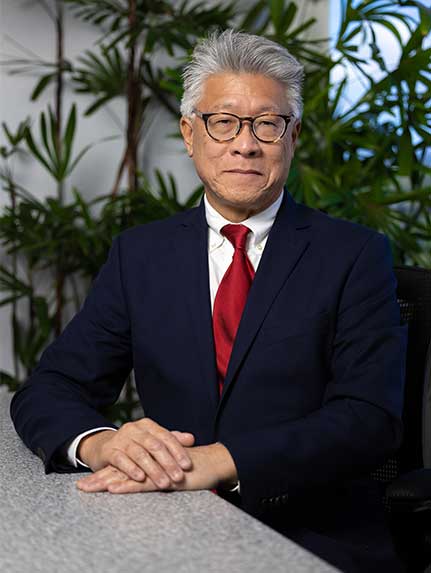
At Ted H.S. Hong Attorney at Law, LLLC, Ted can help. He has worked in a wide variety of legal roles, from prosecutor to labor negotiator, Regent of the University of Hawaii, and private attorney.

Employment Law

Commercial Litigation

Probate & Estate
“There are two mistakes one can make along the road to truth: Not going all the way, and not starting.”
The Buddha
This broad experience means Ted can help you determine your legal issue and what he can do to help. Ted has vast experience with employment law matters, from representing the State of Hawaii as chief labor negotiator to representing individuals with their discrimination cases. Ted can help navigate the complexities of the law and courts and works to achieve a resolution for your case.

“The Distance Is Nothing. It’s Only The First Step That’s Important.”
Marquise du Deffand (1697-1780)
Legal problems never improve with age or by being ignored. Ted Hong can help you handle your legal matter in an experienced, professional and compassionate setting. He understands how stressful employment law or litigation issues can be and he takes the time to listen to you and understand your situation. He then explains the law, your possible options and potential outcomes.
This allows you to make meaningful decisions and helps to reduce the stress of these challenges. He also knows that for individuals and businesses, the prospect of hiring an attorney and the expense is daunting and he provides cost-effective and efficient legal services.

Noah S.L. Hong
Office Assistant

Paralegal Assistant

Christine L. Periatt
Paralegal Assistant